

 Kevincy | Updated on Jun 17, 2026
Before checking the solutions to the video playback choppy issue, you can first understand the meaning of the choppy video and the possible causes for the video choppy, glitchy, and jittery playback issue here.
“Why videos are choppy on my computer?”
A choppy or jerky video is any video output that has glitches when you play it, like out–of–sync video/audio, missing sound, flickering or distorted visuals, etc. Such videos can really hinder the video viewing experience. So where could the problem be?
Choppy videos can result from different issues, including:
For GoPro videos, the file itself is often not “broken”. The camera can record very demanding footage, but the computer, media player, or editor may not decode it fast enough. In response to the causes above, we offer the corresponding solutions below to help you fix general video stuttering, choppy streaming videos, and GoPro footage lagging on computer.
The following solutions cover both common Windows playback problems and the GoPro video choppy issue. You do not need to try everything. Start with the quickest checks, then move to format conversion, resolution reduction, player settings, and GoPro camera settings when needed.
Outdated video and audio drivers can affect the video playback experience. If the graphics driver is outdated, then you may experience a video playback choppy issue. So the first thing you can do is to check and upgrade the graphics driver.
How to fix choppy video by upgrading the graphics driver:
Step 1. Right-click on the Start menu icon and select the “Device Manager” option or you can enter “device manager” in the search box and then open it.
Step 2. Find “Display adapters” and expand its submenu. Right-click on the graphics card and press “Update Driver Software”.
Step 3. In the next dialogue box, choose “Search automatically ...” option, and then your system will automatically find the updated version of the selected driver. [Make sure the internet is connected.]
Step 4. Follow the on-screen instruction to complete the driver updating process and then restart your computer.
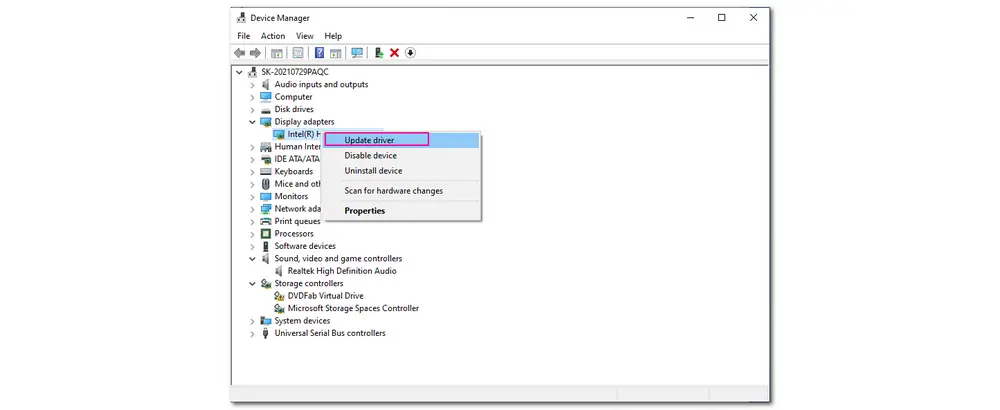
Now, play the video again to see if the video choppy issue is fixed.
Most videos need enough CPU, GPU, RAM, disk speed, and decoder support to play smoothly. This is especially true for 4K, 5.3K, 8K, 60fps, 120fps, high-bitrate, or HEVC/H.265 footage from GoPro cameras, drones, action cams, and newer phones.
As a rough reference, 1080p 30fps video can run on many everyday PCs, while 1080p 60fps and 4K videos need stronger hardware and proper graphics decoding support. If the computer is too old or the GPU cannot decode HEVC smoothly, the video may skip, lag, or play in slow motion even when the file is normal.
You can check the computer configuration with the following guide: Open “My Computer” and right-click on any place. Select “Properties” in the drop-down menu. On Windows 10/11, you can also go to “Settings” > “System” > “About” to view the processor, installed RAM, and Windows version.
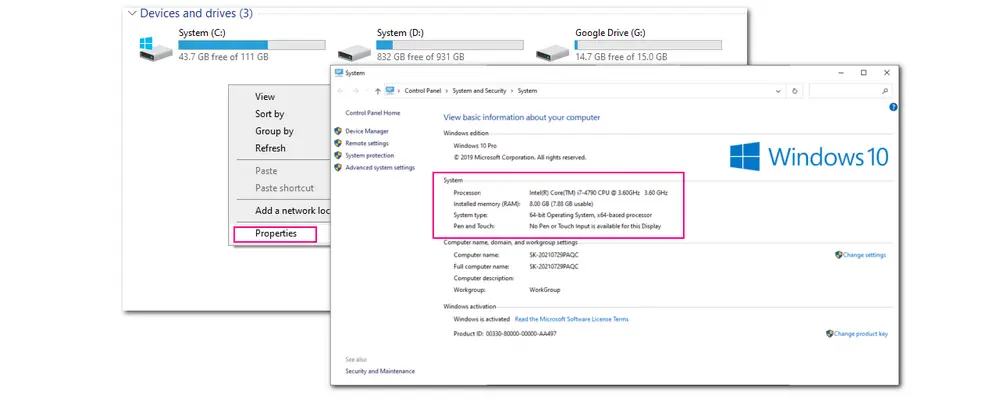
Now, all your system specifications are listed in the pop-up window. If your PC struggles with 4K/5.3K/8K or HEVC videos, you do not always have to replace the hardware. You can first lower the video resolution, convert HEVC to H.264, reduce bitrate, or create a smaller editing copy. For older Windows PCs, 1080p or 720p H.264 MP4 is usually much easier to play than original high-bitrate camera footage.
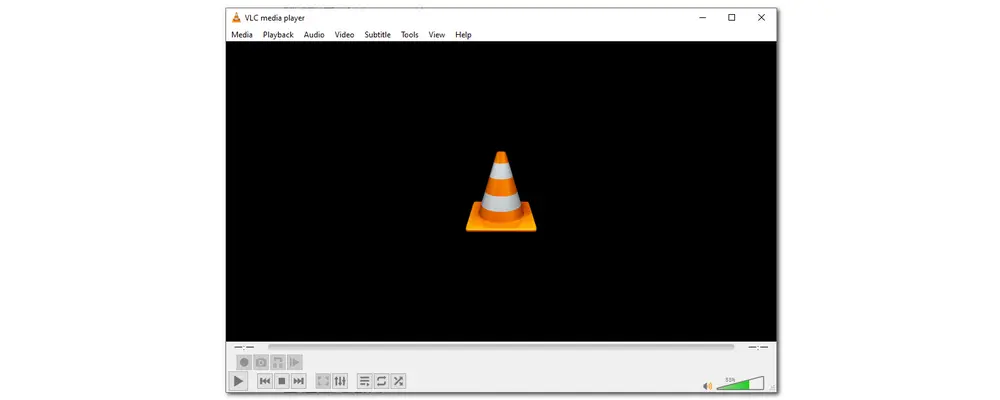
The default Windows Media Player, Media Player, Photos, or another player you are using may not decode the video efficiently, especially when the file uses HEVC, 4K/8K resolution, high frame rate, or camera-specific settings. Try a different media player, such as VLC, KMPlayer, SMPlayer, PotPlayer, or GOM Player. If only one player is choppy while another plays the same file smoothly, the problem is more likely the player or codec support rather than the video file itself.
For GoPro files, also avoid playing the footage through a USB cable or directly from the camera card first. Copy the files to your computer’s internal SSD/HDD, then open them with the new player.
If the video format or codec is unsupported or too demanding for your devices or applications, you may also encounter choppy playback, black screen, audio delay, or import failure. The easiest fix is to convert the video to a more compatible format. For example, many GoPro videos are recorded in HEVC/H.265 to save storage, but older PCs and some editors decode H.264 MP4 more smoothly.
WonderFox HD Video Converter Factory Pro is a handy video converter that integrates quality and speed to offer you the perfect conversion performance. It supports almost all input formats and codecs and can output them to 500+ profiles without third-party codec packs. Powered with hardware acceleration and lightning mode, this conversion tool can batch-convert video files to your desired format while modifying file size, codec, bitrate, frame rate, and output resolution.
DownloadDownload this video converter and start conversion as follows to fix glitchy video:
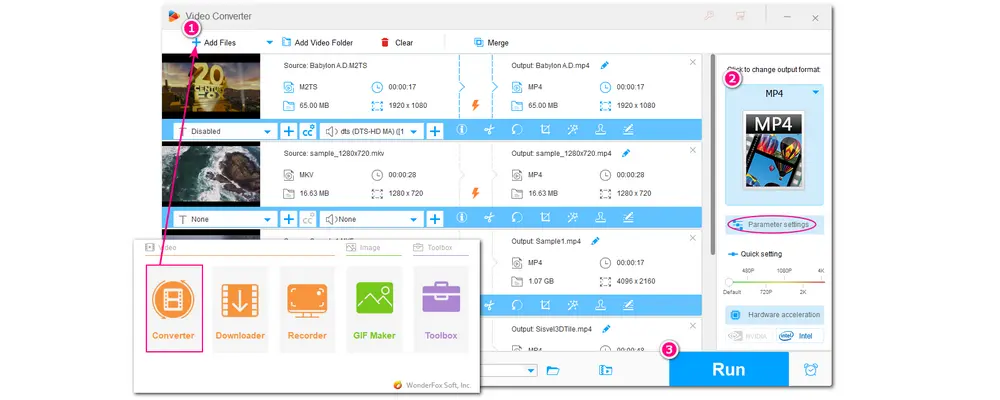
Step 1. Launch HD Video Converter Factory and enter the “Converter” module.
Step 2. Click “+ Add File” to import files or directly drag and drop the source unsupported files into the program.
Step 3. Press the format image on the right side of the interface and then select a wanted video format. For the best compatibility, choose “MP4” or the “H.264” video preset. If you are fixing GoPro footage, you can also open “Parameter settings” to keep the original frame rate, lower the bitrate, or change HEVC/H.265 to H.264.
Step 4. Specify an output path for the converted files by hitting the bottom ▼ button. Finally, press “Run” to start the conversion. After conversion, play the new file from your local drive and check whether the choppy playback is gone.
As stated previously, the choppy video playback issue can also be caused by broken video files. If the video you’re playing is corrupted or damaged, you are likely to run into a video lag. Under such a circumstance, it’s time to consider about a video repair tool to fix the choppy video playback. An efficient video repair tool can deal with various broken issues, like compression issues, read errors, or unsupported file formats.
Just search online to find a reliable data repair tool and repair the corrupted files to fix video stuttering playback.
Another method you can try how to fix a choppy video file is to re-download the video. Some downloaded video files might be damaged during the downloading process because of unstable internet connection, improper system shutdown, viruses or malware infection, etc. and finally eliciting a video choppy issue. So if your choppy videos are downloaded online, you can use a reliable video downloading tool to re-download the videos.
And WonderFox HD Video Converter Factory Pro is an all-in-one video processing tool that is also capable of downloading videos, playlists, channels, music, etc. from YouTube, Facebook, Vimeo, and other 1000+ sites. The downloading process is quite easy and you are allowed to freely chose saving them in different formats & resolutions.
Re-download videos as follows to fix stuttering video playback:
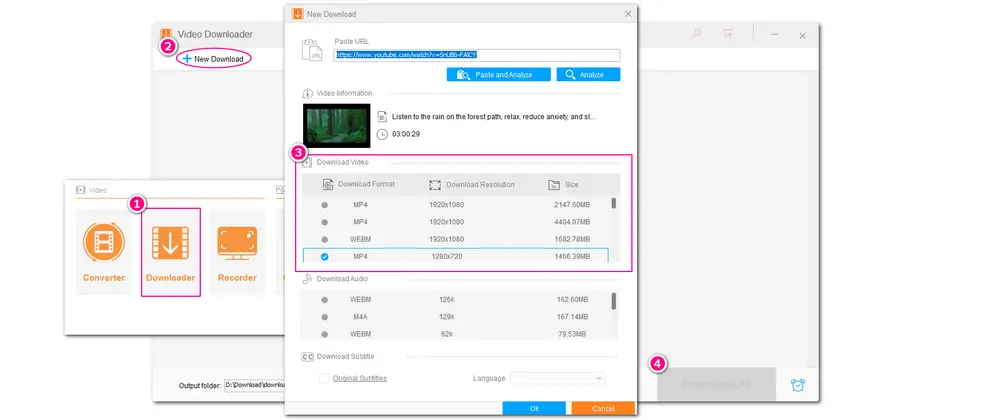
Step 1. Simply download this tool and select “Downloader” to enter.
Step 2. Press “+ New Download”, paste the video link you want to download, and click “Analyze”.
Step 3. Select your desired output format and resolution. Press “OK”.
Step 4. You can click “+ New Download” again to add more video downloading tasks or directly click “Download All” to start the video downloading process.
Also stated in the former content, video playback choppy or jerky issues can be caused by low-end CPU/GPU hardware, especially for high-resolution and high-bitrate videos. For example, if you’re playing 4K, 5.3K, or 8K GoPro video that requires intensive decoding, but your GPU cannot keep up, the video may become choppy or stuttering. Therefore, if you are dealing with a video that has a large file size, high resolution, high frame rate, or high bitrate, consider reducing the file size and resolution.
For file size reduction, it is still recommended that you use HD Video Converter Factory Pro, which can minimize the file size while maintaining decent image quality. It allows you to reduce high video resolution from 8K, 5.3K, 4K, etc. to 1080p, 720p, or lower with only a few simple clicks.
How to fix jittery video by reducing video size and resolution:
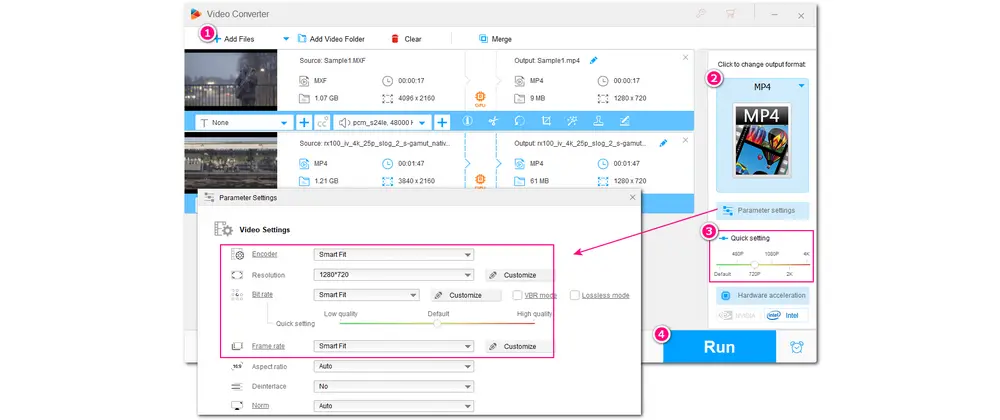
Step 1. GetGet HD Video Converter Factory Pro and enter the “Converter” module.
Step 2. Drag and drop the large-sized/high-resolution videos into the program.
Step 3. Choose an output format (recommendation: MP4) under the “Video” tab after pressing the format image on the right side.
Step 4. Go to the “Quick settings” section under the format image and drag the slider to customize the video resolution to your desired one. You can also change the video frame rate, bitrate, encoder, and audio settings in the “Parameter settings” window. For weak PCs, try 1080p H.264 first. For very old devices, 720p 30fps may be smoother.
Step 5. Specify an output path and click “Run” to decrease the video size and resolution for fixing video choppy playback issue.
See more ways to compress videos: 6 Effective Methods to Compress Large Video Files
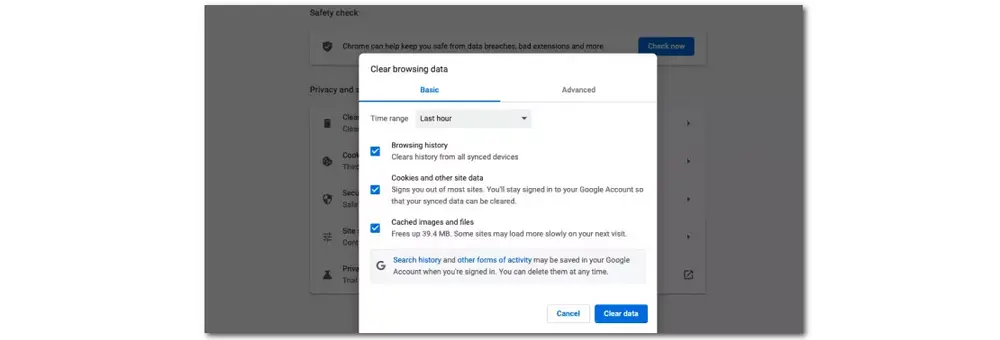
If you’re facing a streaming choppy video issue when watching videos online, updating the browser and clearing the browser’s temporary and cache files can help you fix the choppy video streaming issue. The following will take the Chrome browser as an example to show you how to fix choppy video streaming issue online.
Step 1. Open Chrome browser and click the three-doted icon in the top-right corner.
Step 2. Select “Help” from the drop-down list and choose the “About Google Chrome” option.
Step 3. Chrome will search if any update is available and get the version updated.
Step 4. Find the “Privacy and security” option in the left “Settings” panel.
Step 5. Now, click on “Clear browser data”. Then select the things you want to clear and finally press “Clear data”.
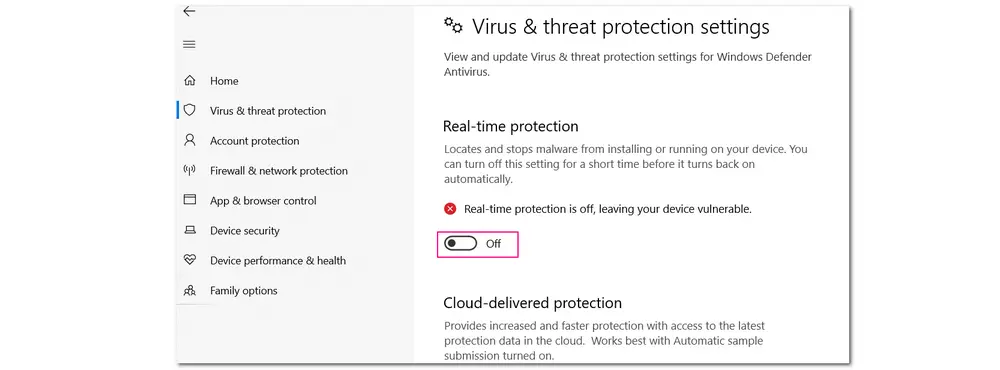
Antivirus programs protect your computer, but they can also scan files and browser activity in the background, using system resources and occasionally causing slowdowns. If the choppy issue only happens during online streaming or when opening a large local file, you can temporarily disable real-time protection for a quick test and then play the video again. If it makes a difference, add the trusted video folder/player to the allowlist or adjust scan settings. Remember to reactivate your antivirus program when you’re finished.
How to fix streaming video choppy by temporarily disabling the antivirus program:
Step 1. Type in “Windows Security” in the search box and press the “Enter” key on the keyboard.
Step 2. Click on “Virus & threat protection” on the left panel.
Step 3. Scroll down to “Virus & threat protection settings” and click “Manage settings”.
Step 4. Toggle the On/Off button under the “Real-time protection” section to temporarily turn off Windows Defender Antivirus.
Sometimes, the video's playback choppy, or the media player's slow performance on your device may be because of a virus or other malware that is infecting your device. Such malware and viruses can use system resources and impede various operations, including video performance.
So the possible solution to fix the video choppy playback under this circumstance on your Windows PCs and other devices is to run a scan for any malware on your system. Just select a reliable malware removal tool and download it to start finding & removing viruses.
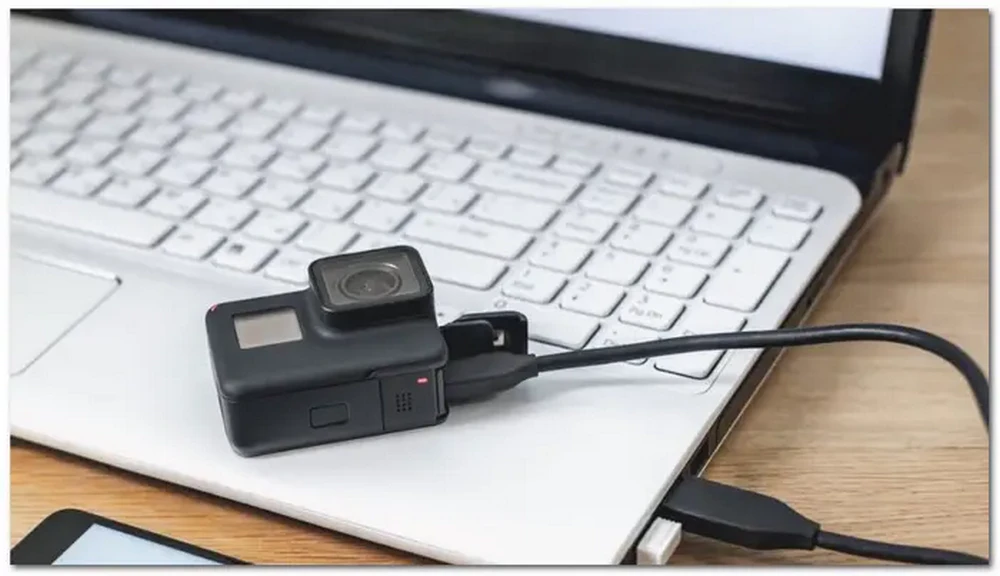
If your choppy file comes from a GoPro, drone, action camera, phone, USB drive, or SD card, copy it to your computer before playback. Playing large 4K/5.3K/8K files through a USB cable or directly from a memory card can be slower and less stable than playing from an internal SSD or hard drive.
Step 1. Connect the camera, card reader, or external drive to your computer.
Step 2. Copy the video file to a local folder, such as “Videos” or a project folder on an SSD.
Step 3. Eject the card/drive properly, then play the copied video from the local folder. If the local copy is smooth, the original choppiness was caused by the storage/transfer speed rather than the file content.
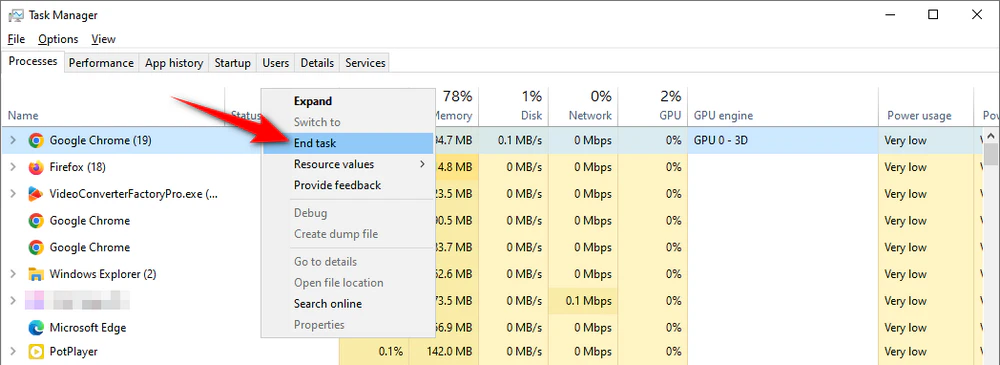
Video playback may stutter when other programs are using too much CPU, RAM, disk, or GPU. This is common when you are editing GoPro footage, exporting another video, syncing cloud files, recording the screen, or running a browser with many tabs.
Step 1. Right-click the taskbar and open “Task Manager”.
Step 2. Check the “CPU”, “Memory”, “Disk”, and “GPU” columns. Close only the programs you recognize and do not need at the moment.
Step 3. If you are using a laptop, plug in the power adapter. Then go to “Settings” > “System” > “Power & battery” and choose a better performance mode when available. You can also check “Control Panel” > “Power Options” and use a high-performance plan if your system provides one.
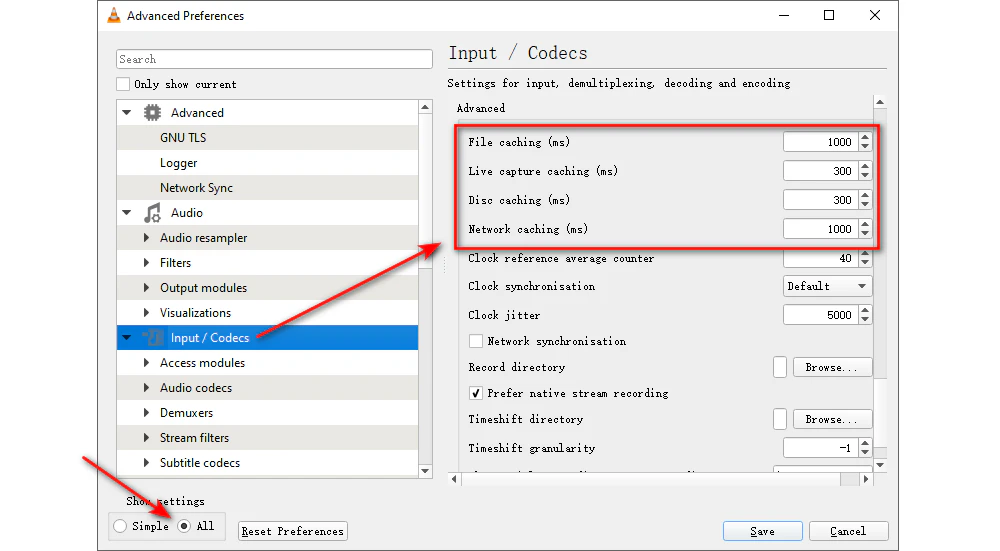
If the video is high-resolution or stored on a slower drive, the player may not buffer enough data in time. Increasing the cache value can help some players handle large videos more smoothly.
Take VLC as an example: open “Tools” > “Preferences”, switch “Show settings” to “All”, go to “Input/Codecs”, and increase the file caching value under the advanced settings. Save the change and restart VLC. This method does not repair the file, but it can reduce stuttering caused by slow reading or insufficient buffering.
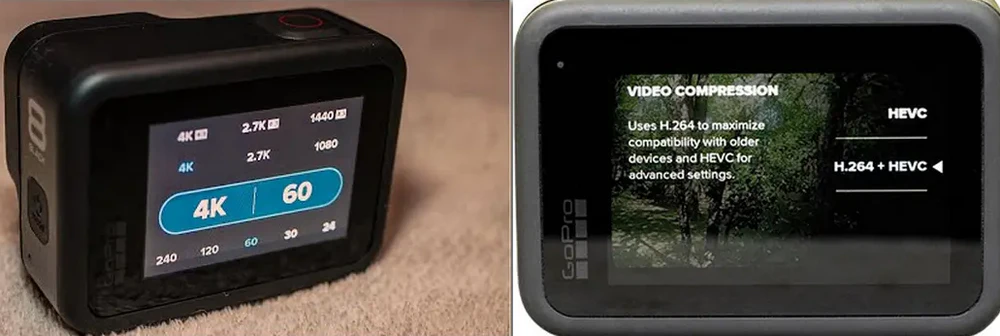
If GoPro videos are frequently choppy on your computer, adjust the camera settings before recording new clips. This prevents the next file from being too demanding for your hardware.
Try these practical settings:
These settings may slightly reduce recording flexibility, but they can make GoPro footage easier to play, preview, upload, and edit on older computers.
Usually, the player can decode the audio but cannot decode the video stream fast enough. This often happens with HEVC, 4K/8K, high-bitrate, or high-fps videos. Try another player, update the graphics driver, or convert the video to H.264 MP4.
The GoPro can preview its own footage, but your computer still needs enough decoding power to play the full video smoothly. Copy the files to a local drive first, try VLC, and convert HEVC/H.265 to H.264 or downscale the video if the PC is not powerful enough.
Re-encoding may cause some quality loss, but you can keep it small by using a proper bitrate, keeping the original frame rate, and avoiding unnecessary downscaling. If the goal is smoother playback on an older device, a high-quality H.264 MP4 copy is often a practical compromise.
No. A converter is for local files. For choppy online streaming, check the browser, cache, extensions, network stability, hardware acceleration, antivirus scanning, and system resource usage.
No. Most choppy videos are not corrupted. The issue is often caused by an unsupported codec, weak hardware, slow storage, player settings, or a browser problem. Consider file repair only when the video fails in multiple reliable players or shows obvious damage.
A choppy video file can really hinder the whole viewing experience, but the cause is not always file corruption. In many cases, the video is simply too demanding for the current player, hardware, storage path, browser, or camera workflow. For regular videos, try updating drivers, changing the player, converting the codec, reducing resolution/bitrate, clearing browser cache, or checking malware. For GoPro videos, copy the file to a local drive first, then consider converting HEVC to H.264, lowering resolution, closing background apps, or adjusting future recording settings.
That’s all for how to fix choppy videos on Windows. Hope these solutions help you get smooth playback again. Thanks for reading!

Kevincy joined the WonderFox team in 2014 and has been a senior columnist ever since. With over two decades of experience in the video editing industry, he shares tutorials, tips, and how-to guides on video/audio processing and personal DVD backups. Family-oriented and passionate about helping others, he is dedicated to making video and audio processing easier for readers.


Kevincy joined the WonderFox team in 2014 and has been a senior columnist ever since. With over two decades of experience in the video editing industry, he shares tutorials, tips, and how-to guides on video/audio processing and personal DVD backups. Family-oriented and passionate about helping others, he is dedicated to making video and audio processing easier for readers.

WonderFox HD Video Converter Factory Pro
WonderFox HD Video Converter Factory Pro can convert videos to MP4, H.264, HEVC, MKV, MOV, AVI, and 500+ presets, reduce 4K/5.3K/8K videos to 1080p or 720p, adjust bitrate and frame rate, compress large files, and batch-process GoPro footage for smoother playback and editing on Windows.
* Playback smoothness also depends on your computer hardware and the source file condition.

Privacy Policy | Copyright © 2009-2026 WonderFox Soft, Inc. All Rights Reserved
